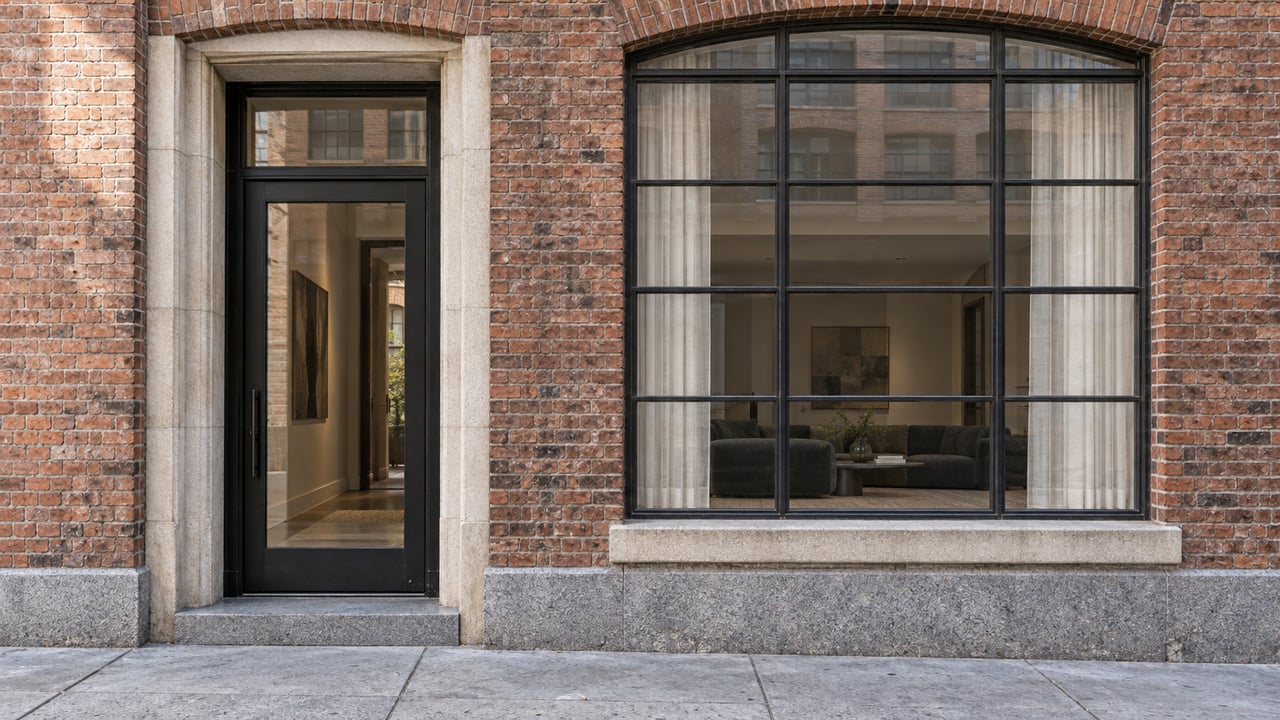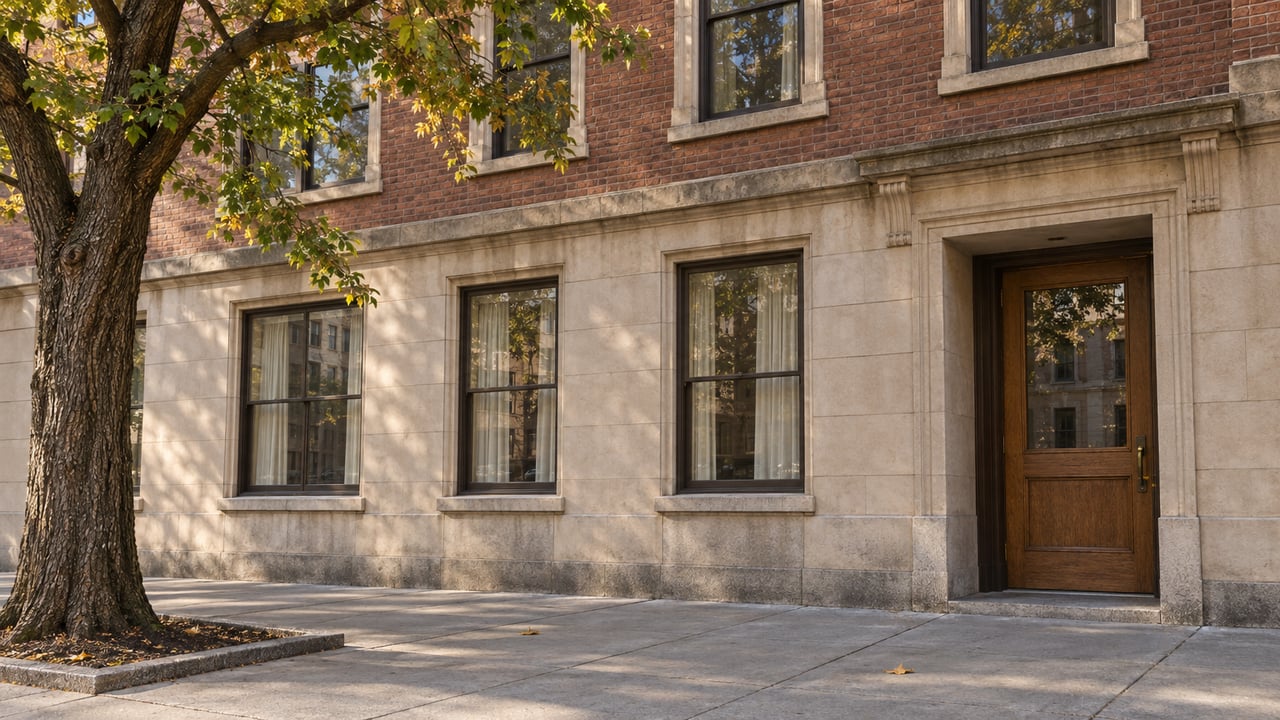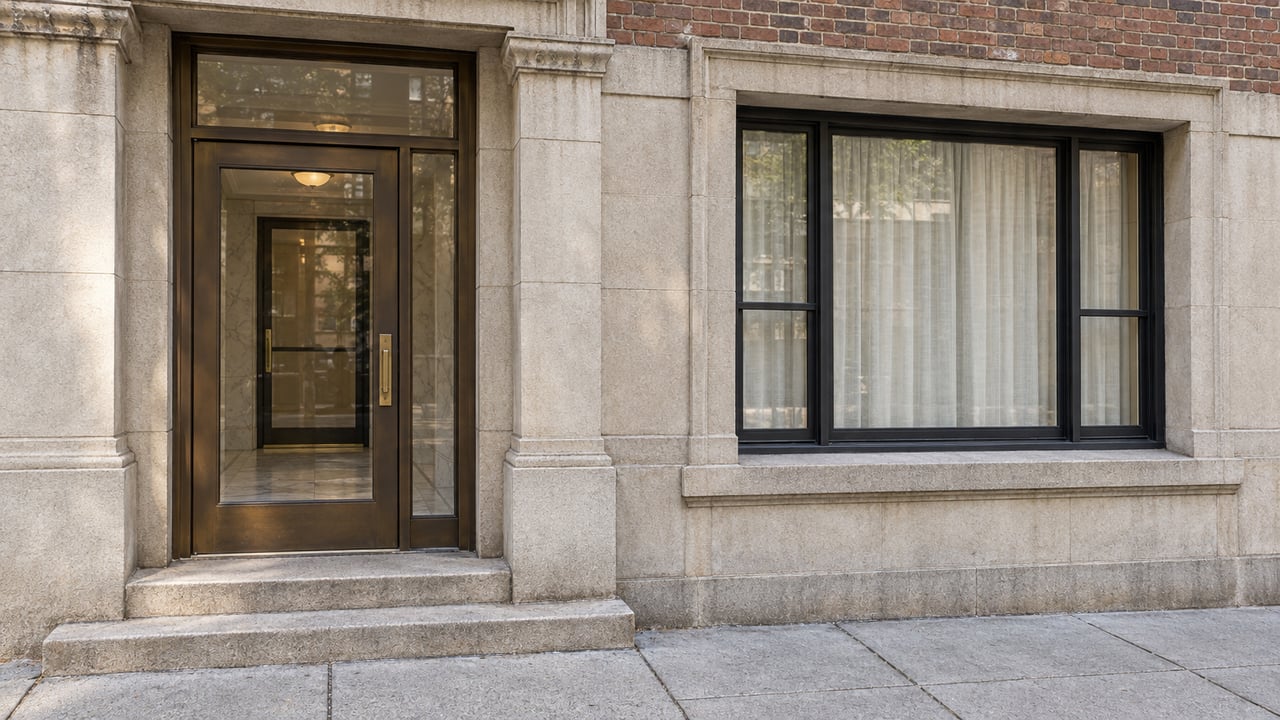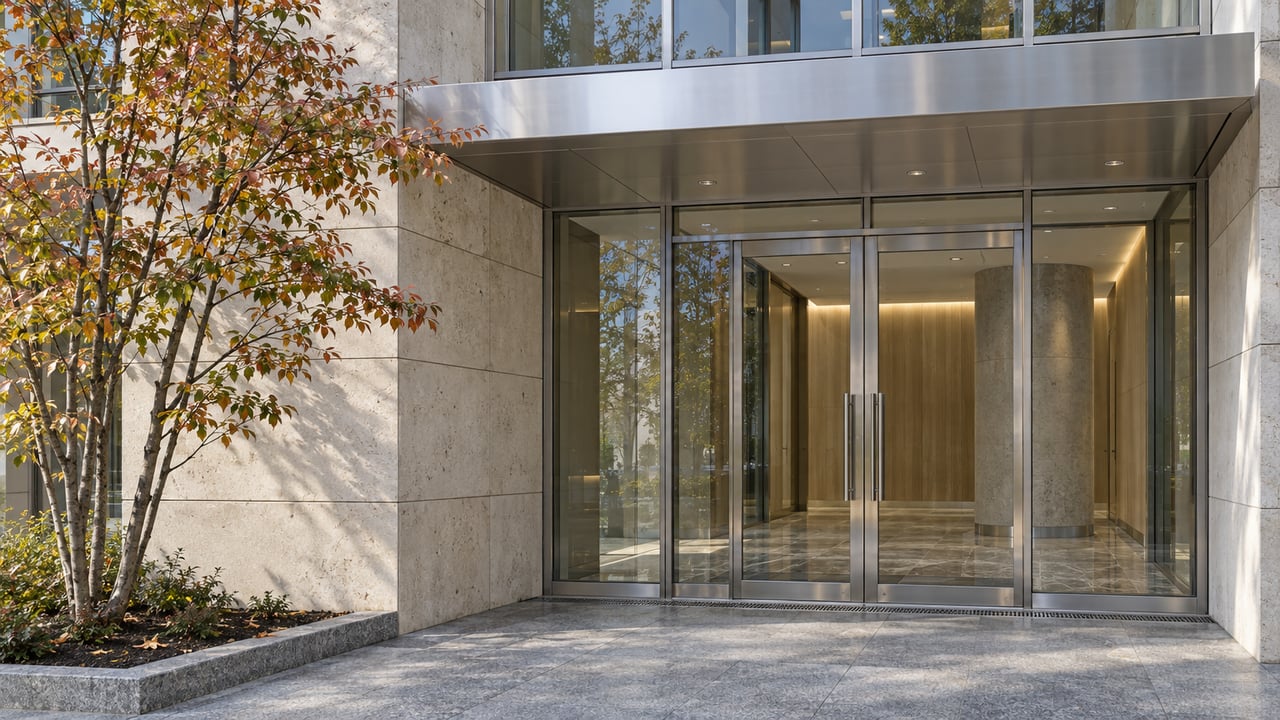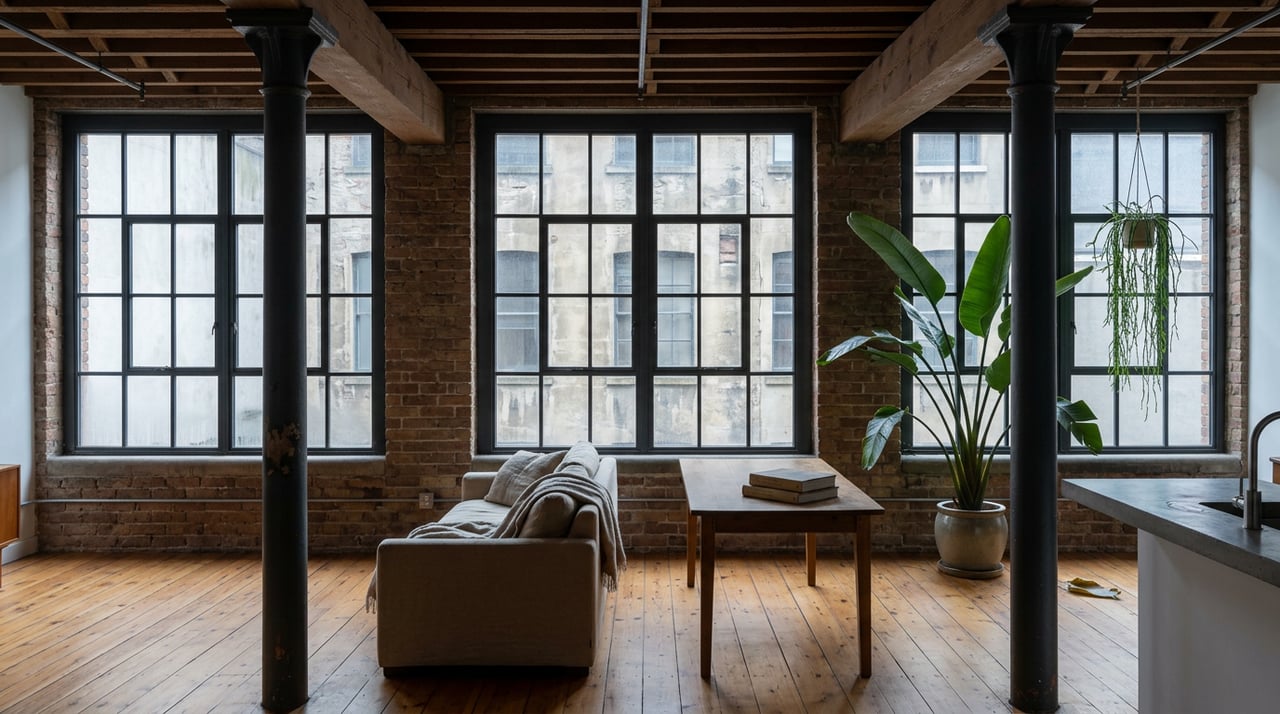
Walk down Franklin Street and you'll pass buildings that look nearly identical. Cast iron columns. Oversized industrial windows. Brick facades that have been standing since the neighborhood moved dry goods and printing presses instead of people. Nothing about the sidewalk view tells you that some of these buildings finished their transition from warehouse to home decades ago, while others, right now, in 2026, are still filing the paperwork.
That gap matters more than almost anything else a Tribeca loft buyer will evaluate. Not the ceiling height. Not the exposure. The Certificate of Occupancy, or the lack of one, is what actually decides whether a bank will fund your purchase on the timeline you expect.
Why "loft" was never one legal thing
Tribeca's lofts started as commercial and manufacturing buildings from the late 19th and early 20th centuries. Artists began moving into the empty upper floors in the 1960s and 70s, drawn by the ceiling height and the light, long before anyone updated the paperwork to say people actually lived there. The buildings had commercial certificates of occupancy.
New York State fixed this with Article 7-C of the Multiple Dwelling Law, known as the Loft Law, in 1982. It created a category called Interim Multiple Dwelling status for buildings that had been used for manufacturing or commercial purposes but had residential tenants living there without a proper certificate of occupancy. Ween & Kozek notes that Tribeca was one of the zoning districts where this pattern was common, alongside SoHo. The Loft Board still oversees the legalization process for these buildings today.
Here's the part that gets lost in the romance of exposed brick: some Tribeca buildings finished that legalization process years ago and now trade as ordinary condos with a clean residential Certificate of Occupancy. Others are still working through it. From the street, you cannot tell which is which.
What happens when the paperwork isn't finished
Banks need at least a Temporary Certificate of Occupancy to issue financing. If a building's residential status is still unresolved, that's not a cosmetic problem. It can stall your mortgage, extend your closing, or in some cases sink the deal outright, according to reporting from Brick Underground on how C of O problems disrupt buyer financing.
The stakes aren't hypothetical in Tribeca specifically. WealthManagement.com reported that years ago, a roughly 33,400-square-foot building at 7-9 Harrison Street sold for $20 million, about $600 a square foot, with four sitting tenants still covered under Loft Law protections. Investors interested in the property were reportedly willing to pay a real premium if the seller could deliver it vacant. The seller couldn't. That single detail, whether tenants were still under Loft Law coverage, moved the price of the deal more than any interior finish would have.
The clock is still running on some Franklin Street buildings right now
This isn't ancient history. Three active Tribeca conversions currently working through legalization illustrate exactly how the process plays out today.
According to CityRealty, the Landmarks Preservation Commission reviewed a residential conversion application at 139 Franklin Street, in the Tribeca West Historic District, in one of its first hearings of 2026. Developer Broad Street Development and architecture firm Rawlings Architects are seeking approval to remove rear fire escapes and existing elevator bulkheads, add windows at the rear facade, and build a new rooftop terrace, while restoring the original brick, windows, and canopy. Landmarks was largely supportive and voted to approve the modifications.
A few doors down, 143 Franklin Street carries its own layered industrial history, having housed salvage companies, a glass manufacturer that repaired the Statue of Liberty's torch after a 1916 explosion, the Independent Starch Company, and Lan Yik Foods over the decades. Developer CNY Group bought the building in December 2024 with residential conversion in mind. Foundation work permits were filed in early 2026, but the project remains in its early stages.
And at 101 Franklin Street, a much larger transformation is underway. Architect Steven Harris and developers Skylight Real Estate Partners, Cannon Hill Capital Partners, and TPG are adding four floors to the existing 17-story structure, bringing it to 21 stories and 304 feet. The finished building will span 251,000 square feet with 72 condominium units in two- to five-bedroom layouts, plus ground-floor retail and enclosed parking. It's one of ten office-to-residential conversions tracked across the Financial District, Tribeca, NoHo, Midtown, and Hell's Kitchen that will bring nearly 3,000 new housing units to Manhattan, according to a June 2026 report from New York YIMBY.
What the finished version looks like
Compare that to buildings on the other side of the ledger. At 85 Worth Street, a boutique condominium built in 1859 in the Tribeca East Historic District, the conversion is long finished. The building holds four loft residences and one penthouse, designed by Paris Forino, with original cast iron columns paired with modern systems. Recent sales in the building have averaged around $2,660 per square foot, with current listings averaging closer to $3,329 per square foot as of mid-2026. At 67 Vestry Street, a former A&P warehouse that later drew artists including Andy Warhol, the same evolution is complete. It now operates as a full condominium with Hudson River views, a 50-foot lap pool, and a resident's lounge.
These are the two ends of the same spectrum. One category of building finished its legal transition and now behaves like any other condo purchase. The other is mid-transition, with a completion date that depends on Landmarks, the Department of Buildings, and the developer's construction schedule, not on your mortgage pre-approval letter.
The 2026 ruling that shows how seriously this is being litigated
SoHo runs a related but different version of this same legal story. That neighborhood's manufacturing-zoned buildings required a designation called Joint Living-Work Quarters for Artists, tied to specific zoning districts, and for years a legal fight over converting those units to standard residential use sat unresolved. On January 13, 2026, the New York Court of Appeals ruled in favor of allowing those conversions to move forward, upholding an arts fund fee tied to the 2021 rezoning and ending years of uncertainty for owners.
Tribeca doesn't run on that particular statute. Its legalization path runs through the older Loft Law framework instead. But the ruling is worth knowing about because it shows how far these legal questions can drag on, sometimes for years, before a court settles them. If a Tribeca building's Loft Law status is still unresolved when you're shopping, that's not a minor footnote. It's a live variable.
What to actually check before you write an offer
- Ask for the building's Certificate of Occupancy directly, not a summary of it, and confirm it lists residential use for the specific unit you want.
- Ask whether the building was ever registered as an Interim Multiple Dwelling with the Loft Board, and if so, whether legalization is complete.
- If legalization is still in progress, get a realistic timeline from the seller's attorney, not the listing agent, and build extra time into any rate lock.
- Confirm whether any units in the building are still occupied.
- If you're comparing a converted building to a fully finished one, price the timeline risk into your offer, not just the finish level.
A few direct questions
Does a Temporary Certificate of Occupancy work for financing? Sometimes. Many lenders will move forward with a valid TCO
If a building is still going through Loft Law legalization, can I still buy in it? You need your attorney to confirm exactly where the building stands in the process and what that means for your specific unit and closing timeline.
Does the January 2026 court ruling affect Tribeca buildings directly? Not directly. That ruling addressed SoHo-NoHo's Joint Living-Work Quarters for Artists framework. Tribeca's relevant mechanism is the separate Loft Law and Interim Multiple Dwelling process, though both point to the same lesson about verifying a building's legal status before you fall in love with the space.
Tribeca's loft market rewards buyers who ask about paperwork as seriously as they ask about light exposure. If you're comparing listings on Franklin, Worth, or Vestry and want a straight read on where a specific building actually stands, K STEVEN can walk you through it before you make an offer, not after. Let's Connect.
This article is general information, not legal, tax or financial advice. Consult a qualified professional about your situation.